
Tailor any room in your home to your individual needs with renovations and remodeling. From updating outdated interiors to reimagining entire layouts, we rejuvenate living spaces and turn houses into personalized havens that reflect the unique style and preferences of the homeowner.
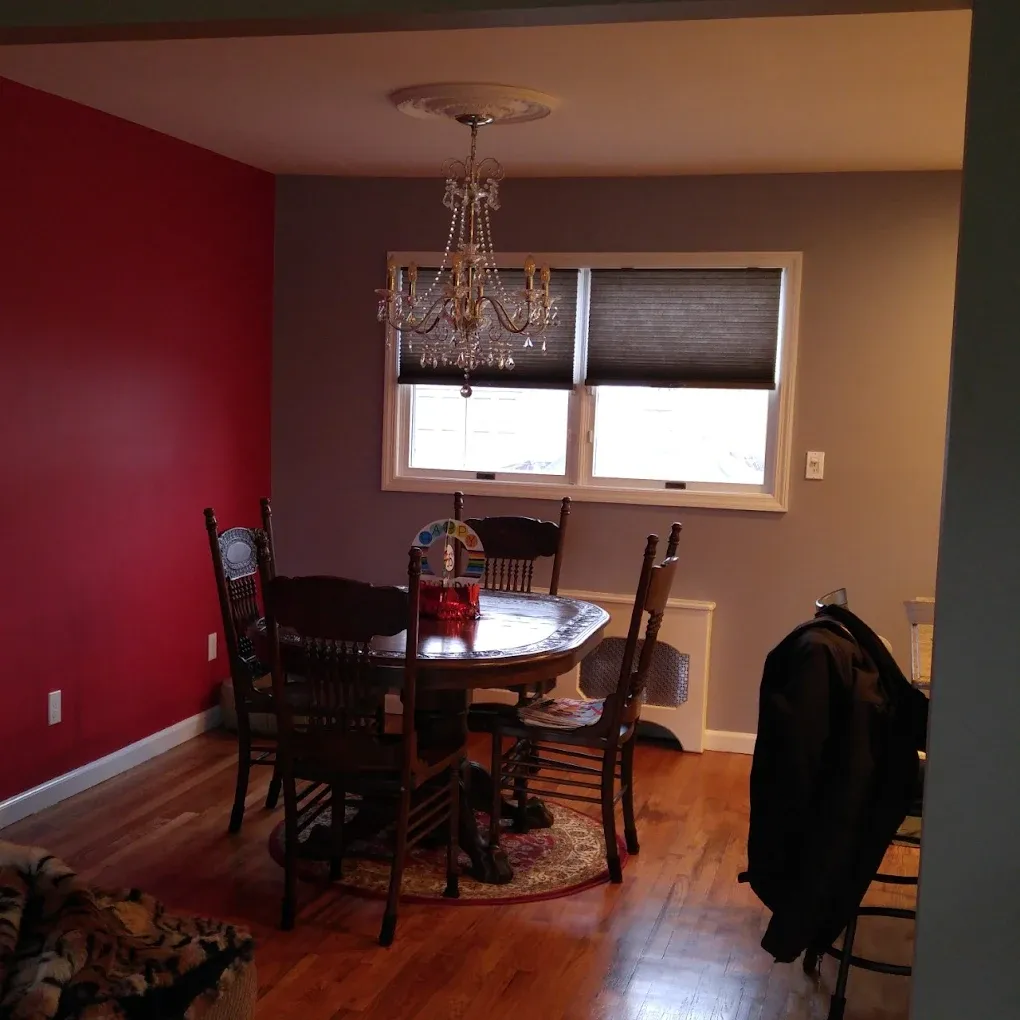
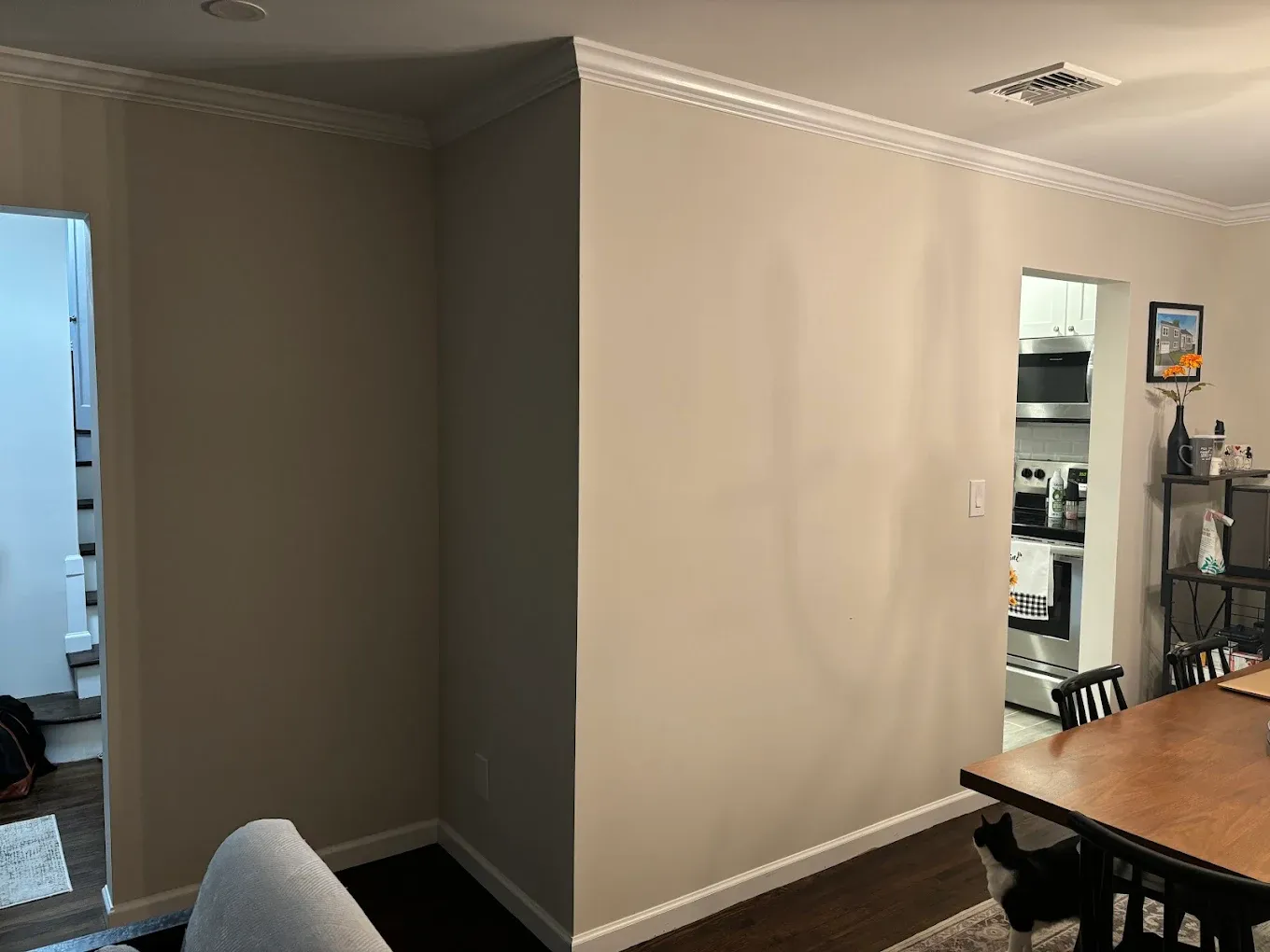
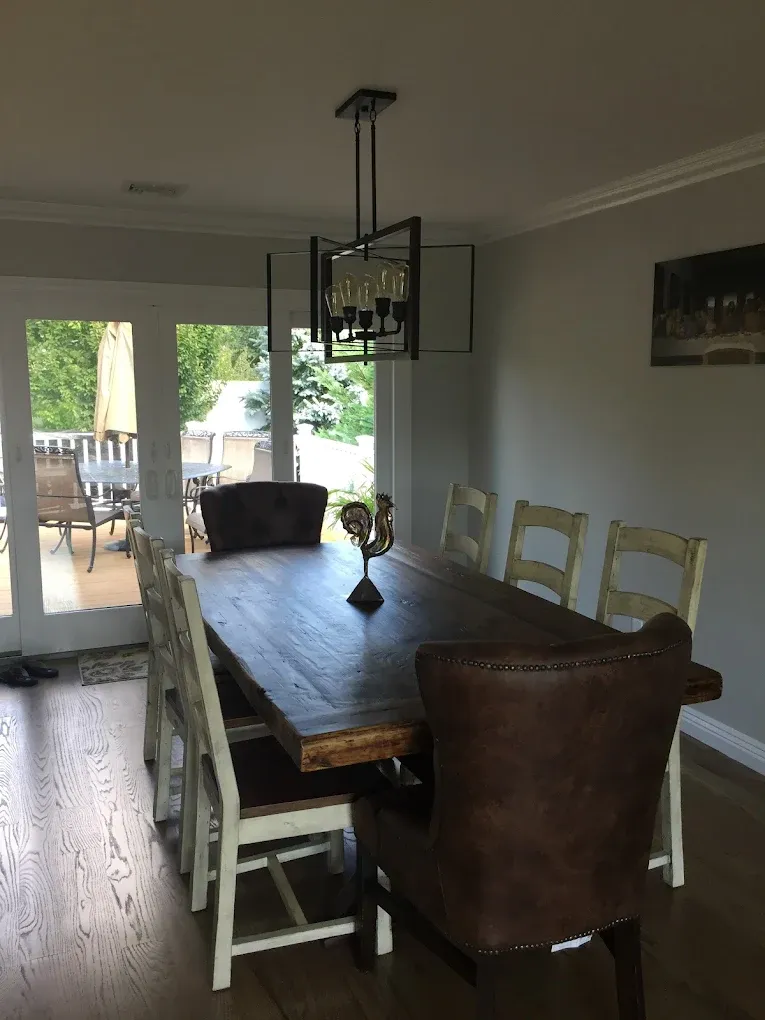
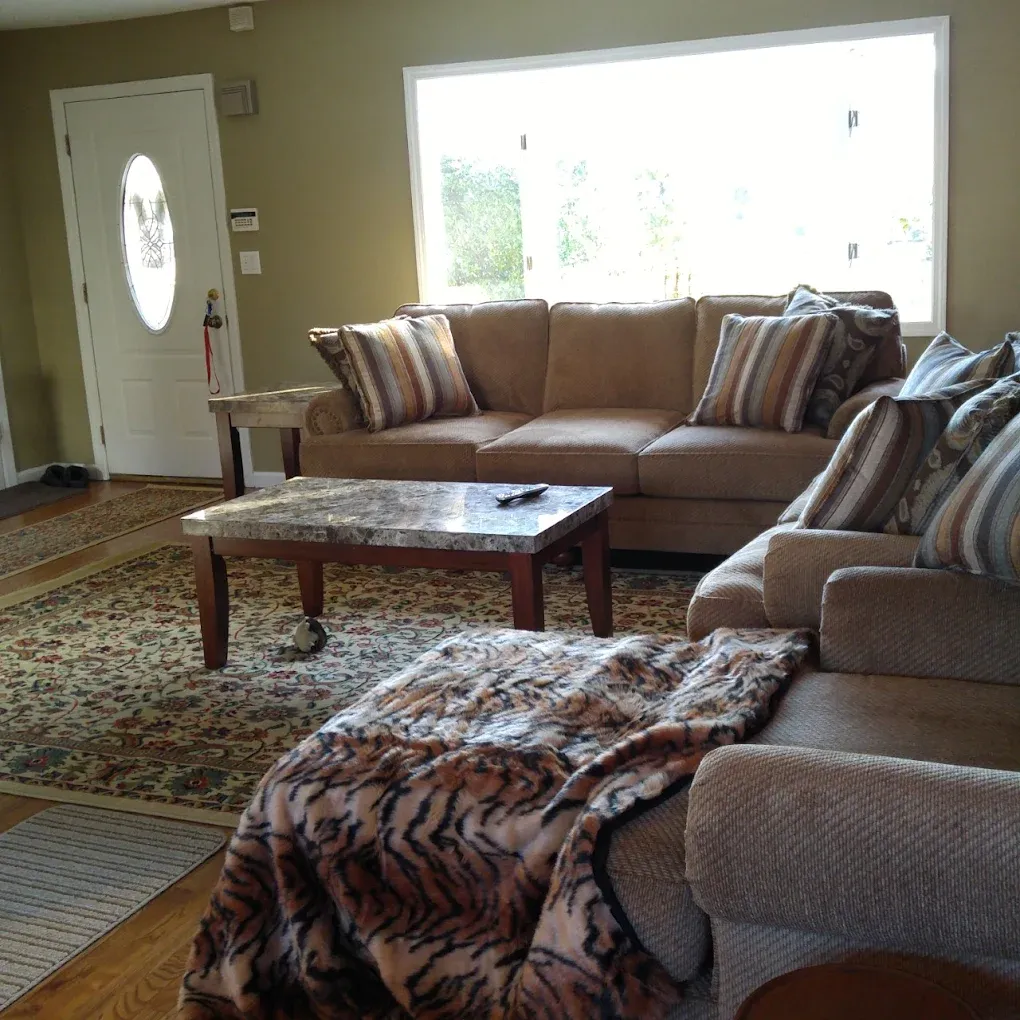
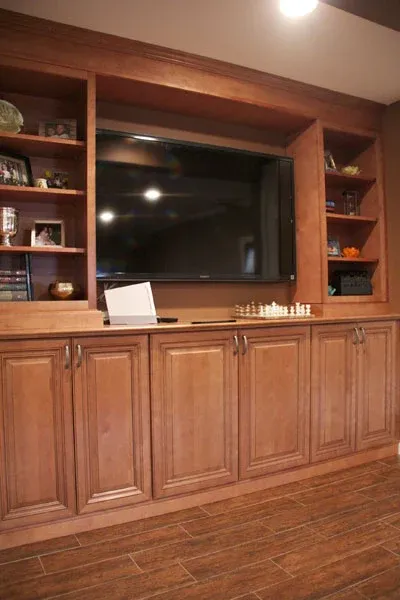
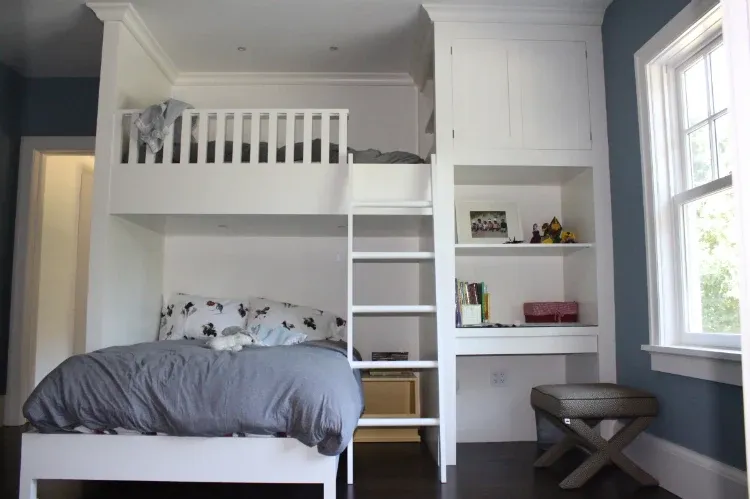
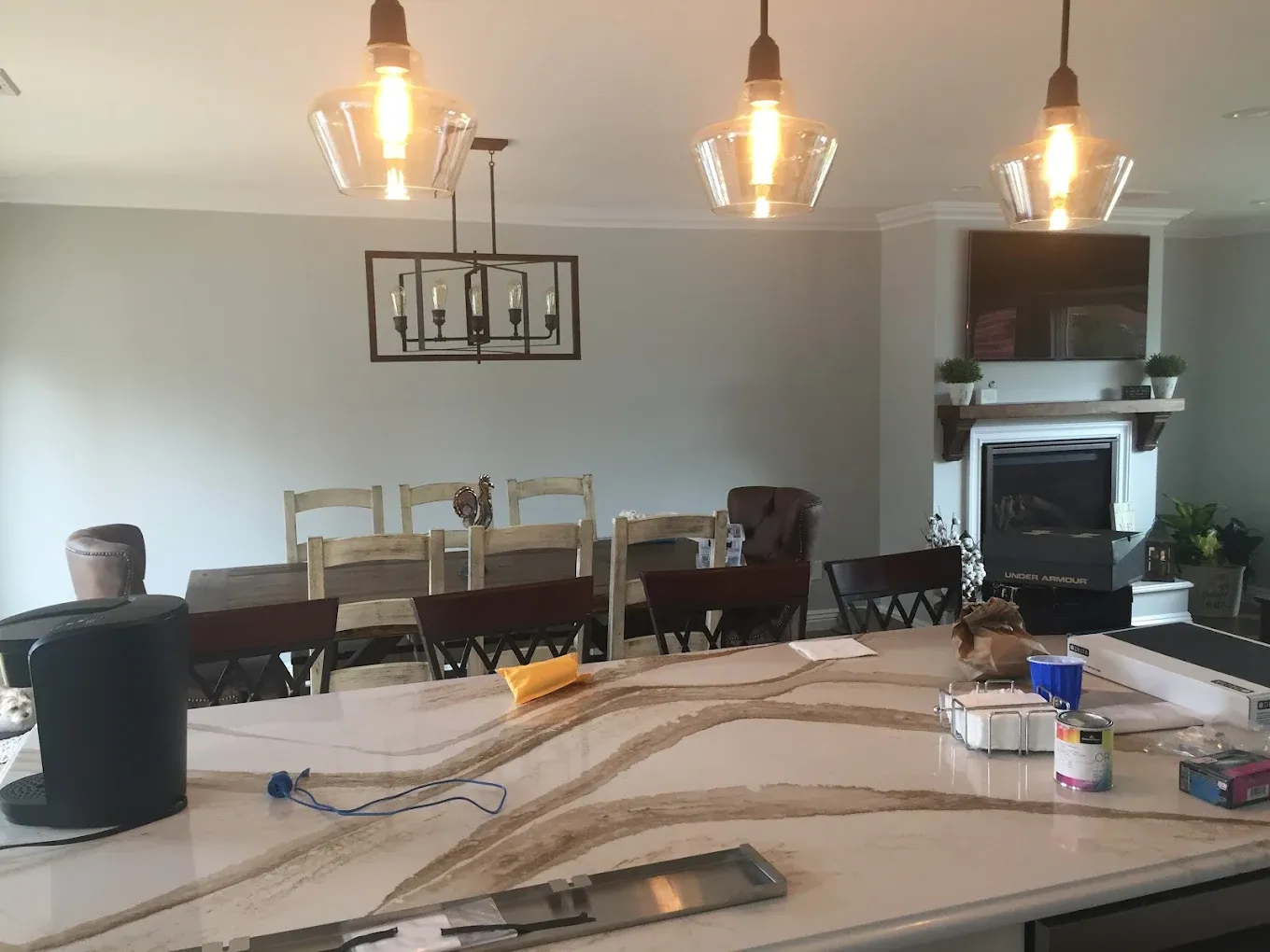
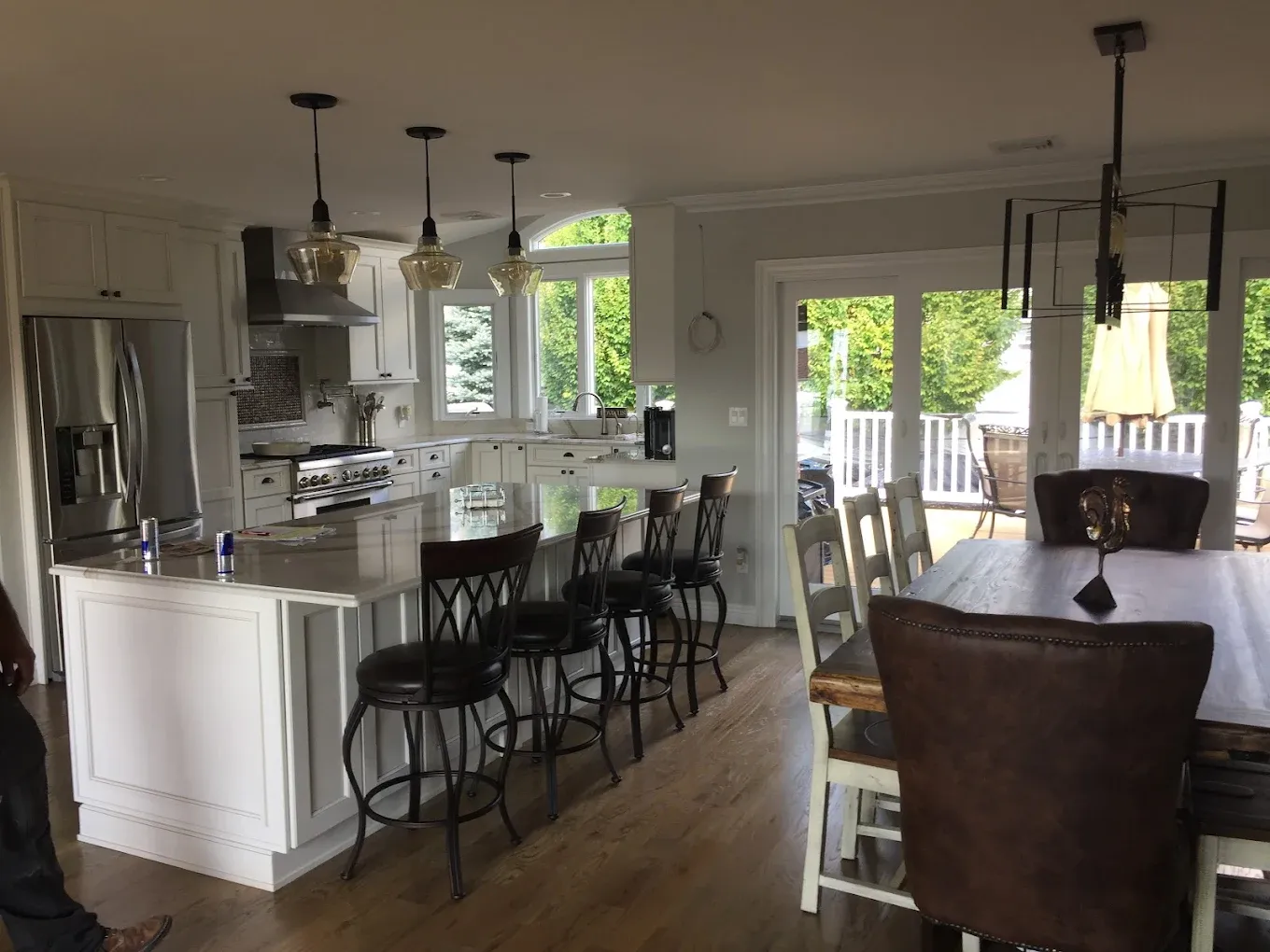
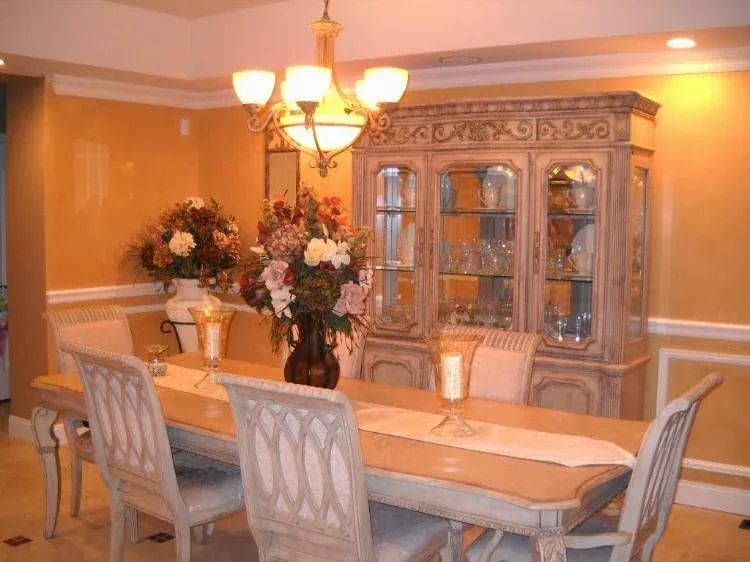
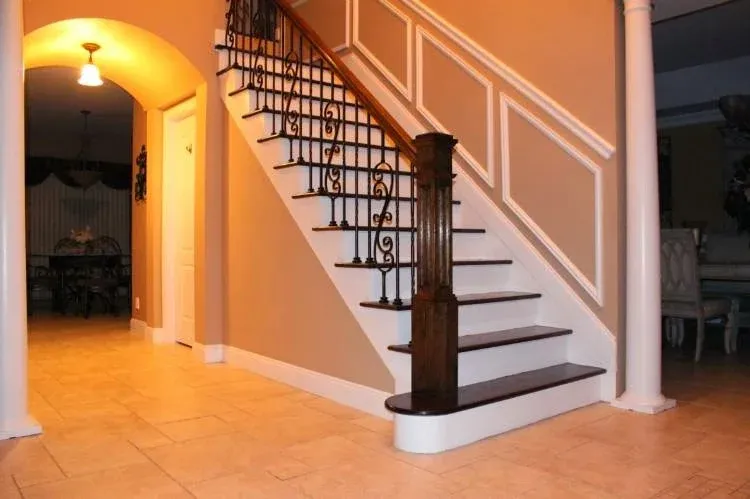
Gallery: Interior Room Remodeling
FAQ: Common Questions about Interior Renovations
What are some popular interior design trends?
Popular interior design trends include open-concept layouts, neutral color palettes with warm accents, natural materials like wood and stone, and modern lighting fixtures. Homeowners are also favoring functional design elements such as custom storage, multi-purpose spaces, and spa-inspired bathrooms that blend comfort with style.
What are some examples of eco-friendly remodeling projects?
Eco-friendly remodeling projects often focus on energy efficiency and sustainability. Examples include installing energy-efficient windows and doors, using low-VOC paints, upgrading insulation, choosing sustainable flooring materials, and incorporating LED lighting or smart home systems. These upgrades can reduce energy costs while improving indoor comfort.
What type of renovation projects require a permit?
Most renovation projects that involve structural changes, electrical work, plumbing, HVAC, or changes to the home’s layout require permits. Even cosmetic renovations may require approval if they affect safety or building systems. Permit requirements vary by town, but we manage the process and ensure full compliance with local regulations.
How do I ensure a successful renovation project?
A successful renovation starts with clear planning and realistic expectations. Working with an experienced contractor, setting a defined budget, finalizing material selections early, and maintaining open communication throughout the project all contribute to a smooth renovation. Proper permits and inspections are also essential to avoid delays or issues.
Is there a step-by-step home renovation checklist?
Yes. A basic renovation checklist includes: defining goals and budget, consulting with a contractor, obtaining necessary permits, selecting materials and finishes, scheduling the project, completing construction, and performing a final walkthrough. Following a structured process helps keep the project on time and on budget.